How to Remove Private Part Smell Naturally: Safe Simple Habits That Work
So there's one piece of good news, You don't have to smell like a bouquet down there! Every woman is unique with her own fragrance, and it is a sign that your body is caring for itself.
If you're looking for how to get rid of the smell of private parts naturally, the true objective isn't to get rid of your smell. It's to prevent everyday smells from accumulating, maintain skin freshness and comfort, and know when a change is a signal from the body that needs attention. Let's take a look at how you can do all three without any harsh products.
First Know Your Normal
A slight musky or tart odour is normal. It can be influenced by the natural bacteria that help maintain the vagina's healthy environment.
The smell may change throughout the month. Your menstrual cycle, period, exercise and warm weather can all affect it slightly.
It's not necessarily a matter of cleanliness. Even with good hygiene, you will still have a natural smell, and that is normal.
Understanding different smells can help you recognise when a change may need attention.
| What You Notice | What It May Mean | What You Can Do |
|---|---|---|
| Mild musky or tangy smell | A normal variation in natural vaginal odour | Continue gentle, regular hygiene. |
| Musky or sweaty smell after exercise or a hot day | Sweat and trapped moisture in the groin area | Shower, pat dry and change into clean, breathable clothing. |
| Metallic or coppery smell during your period | Menstrual blood can affect natural odour. | Change period products according to their instructions and wash the external area gently. |
| Ammonia-like smell | Concentrated urine or urine residue may contribute. | Drink enough water and wipe from front to back. |
| Strong or fishy smell | May indicate an infection or a change in vaginal bacteria. | Consult a healthcare professional, particularly if other symptoms occur. |
Why Odour Builds Up: The Everyday Causes
Sweat: The groin has sweat glands that become more active in hot weather and during exercise. When sweat collects on the skin, natural bacteria can break it down and contribute to odour.
Tight, synthetic or wet clothes: These can trap sweat and moisture close to the skin.
Your period: Menstrual blood and period products can affect natural odour, especially when products are not changed regularly.
Over-cleaning: Using too many soaps, douches and scented washes can irritate delicate skin and disrupt the vaginal balance.
Infection: A strong or fishy odour, particularly when accompanied by itching, burning or unusual discharge, may indicate an infection.
For All-Day Freshness Here Are 6 Natural Habits
1. Wash the Outside, Not the Inside
Rinse the vulva with lukewarm water. If needed, use a mild, unscented soap on the external skin. Do not wash inside the vagina or douche.
2. Dry Gently
Use a clean, soft towel to dry the external area thoroughly. Keeping the skin dry can help reduce moisture-related odour.
3. Allow Your Skin to Breathe
Wear breathable underwear, such as cotton, change it daily and avoid staying in tight or damp clothing for long periods.
4. Change Out of Sweaty Clothes Quickly
Put on a clean, dry outfit after exercise, a hot commute or swimming whenever possible.
5. Stay on Top of Period Care
Change pads and tampons according to the instructions on the packaging. Follow the manufacturer's guidance for menstrual cups and check that you have removed your tampon when appropriate.
6. Drink Enough Water
Staying hydrated supports general health and can help prevent urine from becoming too concentrated. It will not treat an infection, but it may help reduce an ammonia-like urine smell.
For more guidance, read our tips on intimate hygiene for women to build a simple daily routine.
Natural Remedies to Avoid
The internet is full of home remedies for intimate odour. However, many can irritate sensitive skin or disturb the vagina's natural balance.
Vinegar or Lemon Washes
These are acidic and may sting or irritate delicate skin. Avoid applying them to the vulva or inside the vagina.
Baking Soda
Baking soda is alkaline and may interfere with the vagina's naturally acidic environment. It is not a recommended treatment for intimate odour.
Vaginal Yoghurt or Garlic
Putting yoghurt or garlic inside the vagina is not a reliable treatment and may cause irritation. Do not use these remedies to treat an unusual smell.
Douching, Even With Water
Douching can disturb the natural vaginal balance and may increase the risk of problems such as bacterial vaginosis.
Scented Wipes, Sprays and Deodorants
These products may mask odour temporarily but can irritate sensitive skin. They do not treat the cause of an unusual smell.
If simple hygiene measures do not help, seek medical advice rather than relying on home remedies.
Quick Tips for Everyday Situations
At the Office
Choose breathable fabrics for long workdays. You can also carry an extra pair of clean cotton underwear if you expect hot weather or a long commute.
After the Gym
Shower and dry the external area when possible. If you cannot shower straight away, change out of damp workout clothes.
During Your Period
Change period products according to their instructions and gently rinse the external area with water. Fragrance will not replace regular period care.
Before a Date
A gentle external rinse followed by thorough drying is usually sufficient. Avoid using scented products to mask a strong or unusual odour.
While Travelling
Carry spare underwear and choose breathable clothing. Avoid scented wipes if they irritate your skin.
Intimate Perfume: Where It Fits and Where It Doesn't
Perfume will not eliminate the source of sweat or treat an infection. Good hygiene and medical care when needed are more important than fragrance.
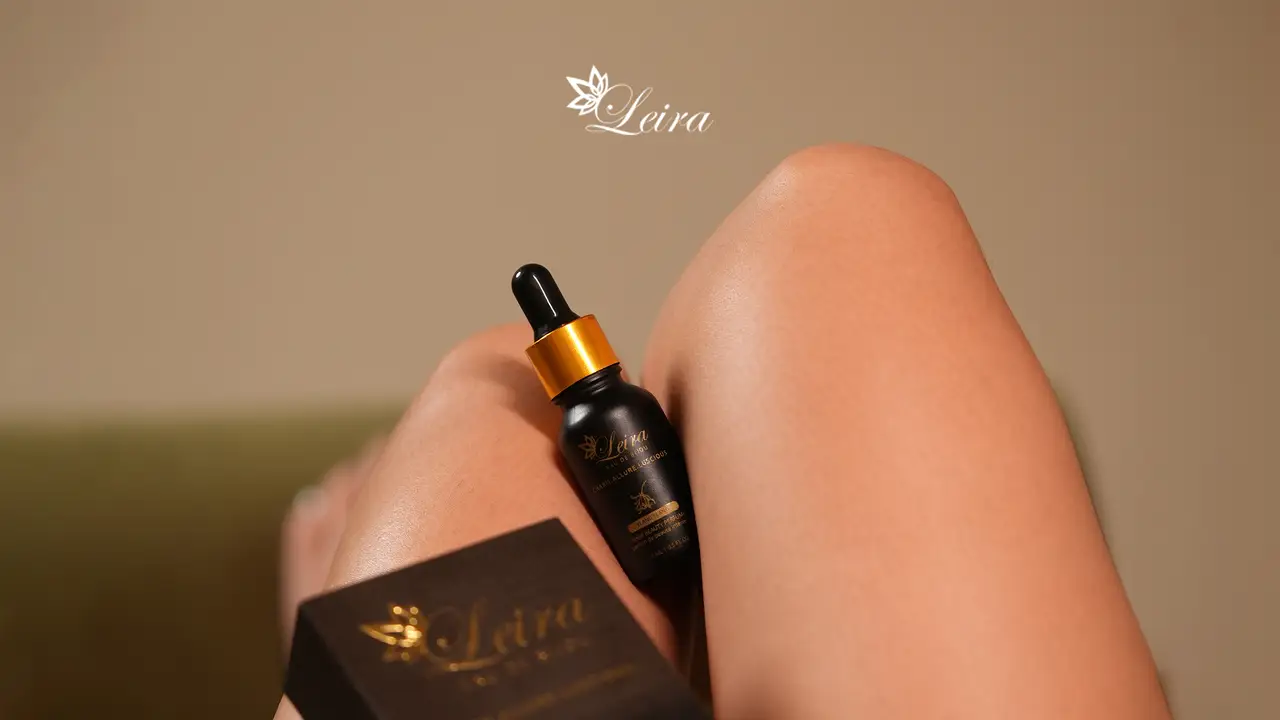
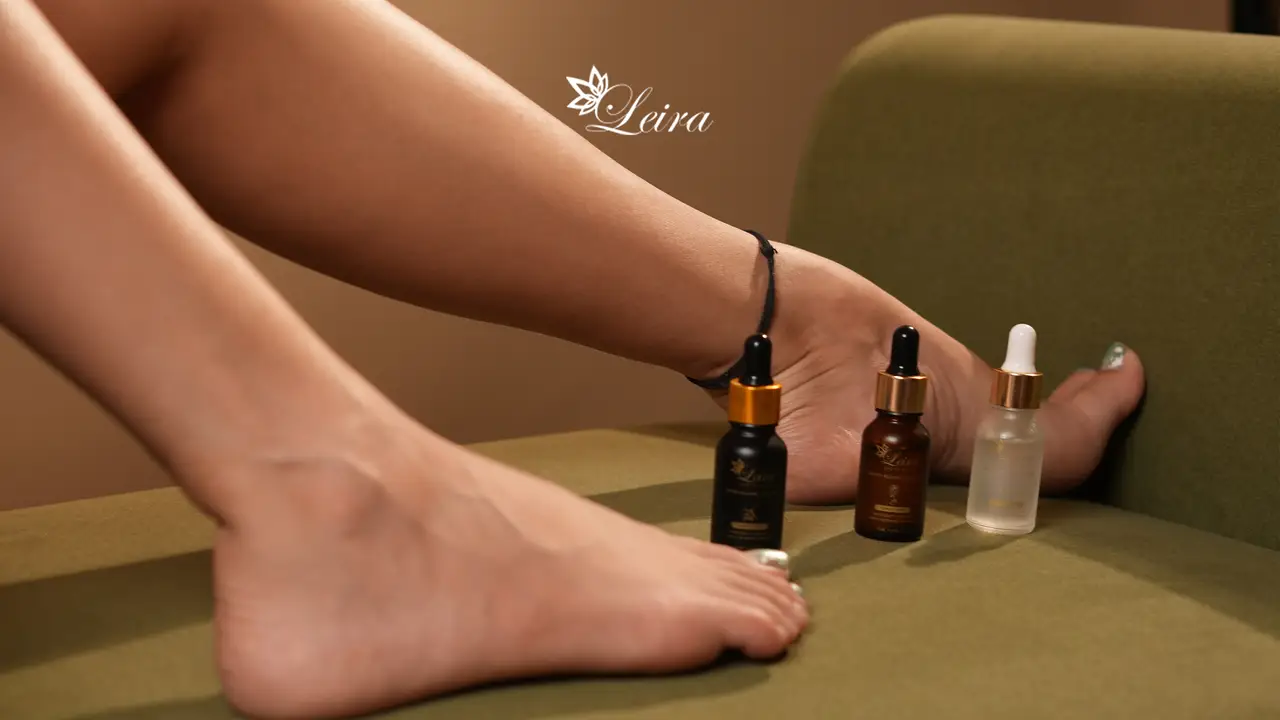
For women who choose to use an intimate fragrance, it should be considered an optional cosmetic product rather than a hygiene treatment. Leira offers intimate fragrance products intended for external use.
Alcohol-Free Formula
Leira describes its intimate fragrance range as free from alcohol, parabens and synthetic fragrance. Check the current product label for the full ingredient list before use.
Formulated for External Use
Review the product's ingredient list and usage instructions carefully. A product being alcohol-free or dermatologically tested does not guarantee that it will suit every person's skin.
Precise Application
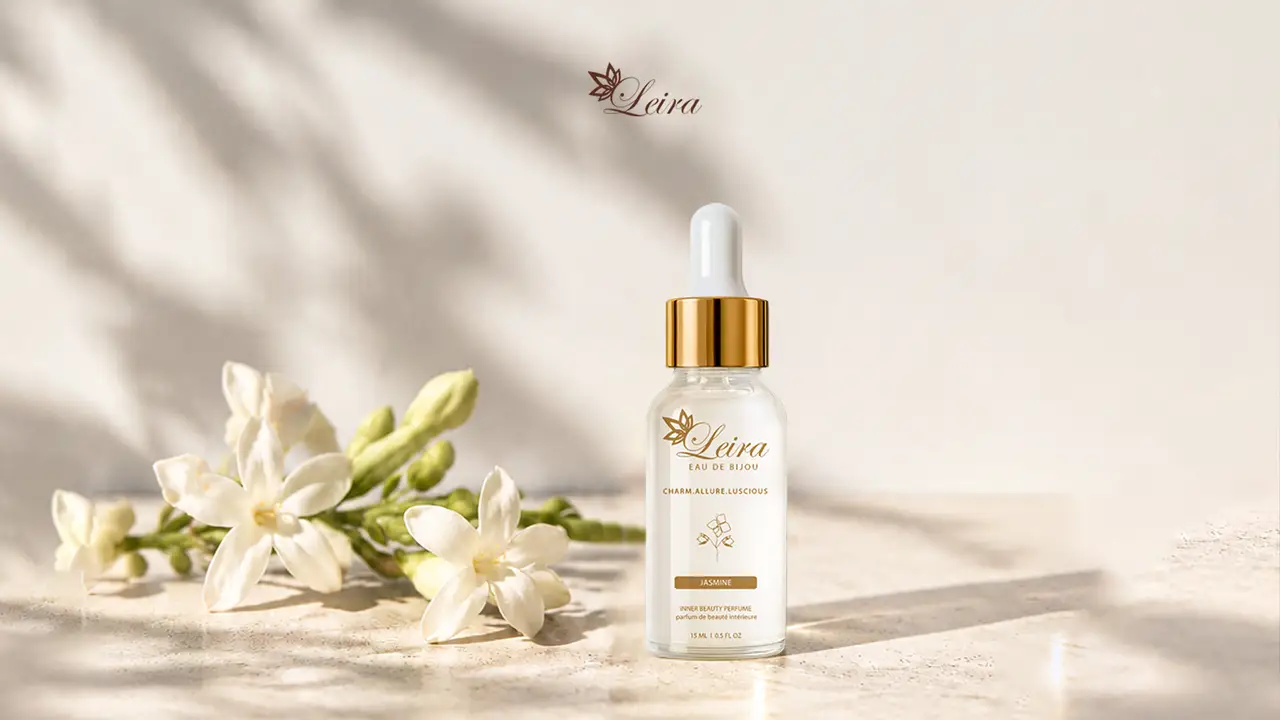
Leira's product information describes a 15 ml glass bottle with a precision dropper. Follow the specific product instructions and use only on the external skin areas identified by the manufacturer.
For the External Intimate Area and Bikini Line
Use the product only as directed on suitable external skin. Never apply it inside the vagina, on mucous membranes or on irritated or broken skin. Do not use fragrance to cover an unusual odour or other symptoms.
Choose Your Fragrance
Leira Jasmine: A light, airy and softly sweet fragrance for those who prefer a gentle scent.
Leira Damask Rose: A floral fragrance with a rich, elegant character.
Leira Ylang Ylang: A more pronounced, exotic and musky fragrance.
Before choosing a fragrance, compare the product details and read the guidance on alcohol-free intimate care and external use.
When to Consult a Doctor
Speak with a healthcare professional if you notice any of the following:
- A strong or fishy odour that persists.
- Grey, green or yellow discharge, or discharge with an unusual texture.
- Itching, burning, soreness or irritation.
- Pain when urinating or during sexual activity.
- Bleeding between periods.
- A very unpleasant odour that could indicate a forgotten tampon.
Many causes of unusual vaginal odour are common and treatable. There is no need to feel embarrassed about seeking medical advice.
The Final Note
When you want to reduce private-part odour, the goal is not to remove your natural scent. Focus on simple habits: gently wash the external area, keep the skin dry, wear breathable clothing and follow appropriate period care. If your usual smell changes noticeably, pay attention to the change rather than trying to cover it with fragrance.
Once your basic hygiene routine is in place, fragrance remains a personal choice. If you are interested in an external intimate fragrance, explore the Leira collection and read the product instructions before use.
Frequently Asked Questions About Private-Part Odour
Is It Normal for the Private Area to Have a Smell?
Yes. A mild, slightly musky or tangy smell is normal. It may change during your menstrual cycle, after exercise or in hot weather.
What Is the Best Way to Reduce Private-Part Odour?
Gently wash the external area with lukewarm water, dry it thoroughly and change out of wet clothes promptly. Avoid douching and scented products. Consult a healthcare professional if the smell is strong or persists.
Why Does My Private Area Smell After Exercise?
Sweat can collect around the groin, where natural bacteria break it down and contribute to odour. Shower when possible, dry the area and change into clean, breathable underwear.
Why Does My Private Area Smell Fishy?
A fishy odour can be a sign of bacterial vaginosis and sometimes other infections. These conditions are treatable, so seek medical advice rather than trying to cover the smell with fragrance.
Can I Wash My Private Parts With Soap?
You can use plain water or a mild, unscented soap on the external area if needed. Strong or scented soaps may irritate sensitive skin. Washing inside the vagina is not recommended.
Are Home Remedies Such as Vinegar, Baking Soda or Yoghurt Effective?
These remedies are not recommended for treating vaginal odour. Vinegar and lemon can irritate the skin, baking soda may disrupt the natural acidic environment, and inserting yoghurt or garlic is not a reliable treatment. Seek medical advice if the odour persists.
Does Perfume Eliminate Intimate Odour?
No. Perfume adds fragrance but does not remove the cause of unusual odour or treat an infection. If you choose an intimate fragrance, use it only on the external skin areas specified on the label.
Does Drinking Water Help With Intimate Odour?
Drinking enough water can help prevent urine from becoming concentrated, which may reduce an ammonia-like urine smell. It will not treat an infection or persistent vaginal odour.
When Should I See a Doctor About Intimate Odour?
Consult a healthcare professional if you notice a persistent strong or fishy odour, unusual discharge, itching, burning, pain during urination or sex, or bleeding between periods. Seek prompt advice if you suspect a tampon has been forgotten.
Can I Use Leira as Part of My Intimate Care Routine?
If you choose to use Leira, follow the product label and apply it only to the specified external skin areas. Do not apply it inside the vagina, to mucous membranes or to irritated skin. It is a fragrance product, not a substitute for everyday hygiene or medical care.